No statute puts land trusts or preserve managers on a monitoring schedule. What actually drives site visits is a mix of easement contract terms, a voluntary industry standard, and federal tax rules — and smaller, volunteer-run organizations often can't keep up with all three on their own.
State statute
Michigan’s conservation easement law makes easements enforceable, but leaves how often to visit up to each easement’s own deed — not the statute.
Industry norm
The Land Trust Alliance recommends monitoring every easement and preserve at least once a year. It’s voluntary — but it’s also what land trust accreditation requires.
The reality
Many volunteer-run land trusts and preserve managers fall short of that standard simply from lack of staff. That’s the gap this organization may help to fill.
An unbiased second set of eyes
Reports come from someone with no stake in the property and no role in your organization — an independent layer of monitoring.
What We Report On
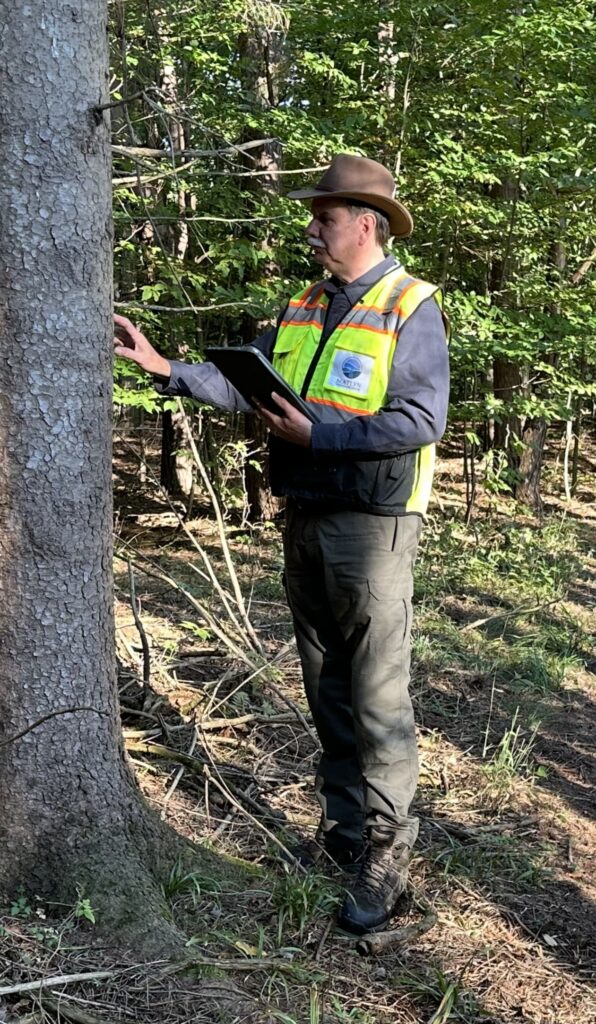
Every visit includes documented notes with GPS-tagged photos and delivered in a finished report to your stewardship team to supplement your reporting requirements.
Trail & infrastructure damage
Erosion, washouts, downed signage, boardwalk and bridge wear.
Storm debris
Downed trees and blocked trails after wind and storm events.
Trespass & vandalism
Signs of unauthorized access, dumping, or property damage.
General disrepair
Anything a stewardship team would want to know about before their next scheduled visit.
Wildlife documentation
Photo records of wildlife activity as a byproduct of routine visits.
Invasive species
Flagging new or spreading invasive plants before they establish further.